Tuberculinum: A Nosode Made From Tubercular Abscess
Welcome back to the Homeopathic Materia Medica series. I’m Dr. Imran Ali, and today I’ll be discussing Tuberculinum, a nosode. A nosode is a homeopathic remedy prepared from diseased tissue or from a product of diseased tissue. Tuberculinum is a nosode prepared from the pus obtained from a tubercular abscess. Tuberculosis is a disease associated with a bacterium called Mycobacterium tuberculosis. There are several different Tuberculin remedies in the original literature, but the Tuberculinum that I’ll be talking about is sourced from human tuberculosis. So let’s get started.
Although there is some confusion in the literature about the original source of proving information for Tuberculinum, much of the information that I’ll be discussing comes from clinical experiences that have been repeatedly verified by many practitioners over decades of time.

The Tubercular Miasm
But before we talk about the remedy let’s talk about the tubercular miasm. We speak of the tubercular miasm as a broad hereditary influence on the health of certain individuals. It’s a predisposition towards certain symptoms or types of illnesses that can be inherited from an individual or individuals from prior generations who had contracted and suffered from tuberculosis.
On the physical level one such tendency passed down the generations is a susceptibility toward developing respiratory infections. On the psychological level the tubercular miasm can manifest as a need for constant change in order to break free from the perceived monotony of daily living.
With that in mind let’s discuss the Tuberculinum mentals.
Tuberculinum Mentals
Inner Feeling of Discontentment & Boredom (Ennui)
We can surmise from numerous documented Tuberculinum cases that the typical person who needs this remedy suffers from an inner feeling of discontentment. The routine of daily life is almost intolerable to the Tuberculinum type. Tuberculinum is easily bored by everyday humdrum reality. In the homeopathic books, this boredom is referred to as ennui.
Lack of Fulfillment Leading to Desire for Constant Change
This inner discontent tends to translate into a feeling of a lack of fulfillment. This, in turn, drives Tuberculinum to seek fulfillment through a variety of novel experiences. Hence, we often observe a need for constant change.
Frustration When There Is No Way to Seek Fulfillment
When there’s no outlet through which to express this need for change or through which to seek fulfillment, this can ultimately lead to feelings of frustration and irritability. We see this especially in children who have little control over the daily events of their lives.
Engage in Thrill-Seeking Activities
Teenagers and adults, on the other hand, have more freedom and opportunity to seek new experiences. While the Tuberculinum child may be frustrated and angry, the teenager or adult may engage in various thrill-seeking activities.
They are adventurous, and they love new experiences. They are passionate, poetic, and romantic, and often have a desire to travel the world. Some Tuberculinums are worldly cosmopolitan types. They wish to live life to the fullest.
Risky Behaviors
Many seek to quench their thirst for excitement by engaging in risky behaviors. There’s a tendency to flirt with danger. Teenagers love to do stunts on their skateboards or snowboards. Some adults are interested in bungee jumping and even skydiving.
We even see this in young kids, many of whom can be described as daredevils. They’re the opposite of cautious. A young boy may hurtle down a steep hill on his bicycle with reckless abandon, unconcerned about the possibility of injury.
Tuber Children Are Climbers & Fearless
We may even see this in the young child who repeatedly escapes from his crib unperturbed by the fact that he may fall in the process. These are the kids who are climbers. No amount of child-proofing the home seems sufficient to keep them from getting into trouble.
Unlike the typical kid who can burst into tears when he falls and injures himself, the Tuberculinum child is usually not confused or worried about what happened. He just gets right up and tries all over again.
They Work Hard
Most Tuberculinum types work hard and play hard to fill the void created by that inner sense of discontentment.
Tuber Persons Are Consumptive
There’s an interesting parallel between the old medical terminology used for tuberculosis patients and the behaviors of some Tuberculinum types. Tuberculosis patients used to be referred to as consumptives because TB is a disease that involves weight loss and bodily wasting as if the person is being consumed by the disease.
We see a similar consumptive tendency in Tuberculinum types who burn the candle at both ends with little regard for their physical and mental well-being.
Tuberculinum Children Traits
Most Disobedient & Defiant Children
When deprived of an outlet for their need for change, Tuberculinum children can become extremely difficult. These children are among the most disobedient and defiant of all remedy types. They embody the very definition of oppositional defiant disorder.
Most Stubborn & Obstinate
They’re intensely willful. They’re strong-willed and cannot be forced to do anything that they don’t want to do. Tuberculinum is the most stubborn and obstinate of all remedies.
Don’t Respond to Discipline
These are the kids who will not stop resisting. They often do not respond to discipline. They’re indifferent to reprimand (disapproval) and will throw temper tantrums if they don’t get their way.
I feel bad for the parents of these children because I know that all the coaxing, cajoling, warning, and scolding in the world is unlikely to get their children to behave themselves. They will simply disobey and then grin about it.
Tuber Children Don’t Misbehave & Are Fearless
Unlike Hyoscyamus Tuberculinum, types don’t misbehave to get attention. They simply do what they want to do with little regard for the consequences. They are bold and fearless.
Long-Lasting Tantrums of Tuber Children
When the occasional parent does find the strength to push back hard enough, the Tuberculinum child will usually throw a tantrum. And believe me, these are not your run-of-the-mill (ordinary or usual) tantrums.
Oftentimes, they’re long-lasting tantrums that can persist indefinitely, at least until the child gets their way. That can last for ten, twenty, thirty minutes, or even longer.
They’ll throw themselves on the floor. They can intentionally break things and throw things in anger. I found a rubric in one repertory that reads:
- Desires to break his parents most prized possession.
And Tuberculinum was the only remedy listed.
Head Banging, Especially in Autistic Kids
Some will bang their heads on the floor or against a wall in anger. We also see head-banging and other compulsive or ritualistic behaviors, especially in autistic kids who need Tuberculinum.
Most parents will understandably give in in the face of so much resistance. They become worn down and find ways to let their children have what they want so as not to provoke any more meltdowns.
Tuberculosis Kids Are Easy to Spot in the Clinic
It’s relatively easy to spot these kids in my office. The child quickly becomes fixated on something in my room that he wants, like a book, for example. He goes to grab it, and the parent attempts to stop him. The child momentarily hesitates and waits until a parent resumes talking to me, after which he simply goes right back to the book.
At that point, I may raise my voice for a firm NO. He hesitates again but stares directly at me and keeps his hand on the book, but he doesn’t pick it up. Even though I’m a stranger to this child, he waits for his opportunity, and when I’m distracted, he tries again to get his hands on the book. Sometimes it doesn’t go that far, and the child simply throws a tantrum.
Tuber Children in the Supermarket
When the parent takes the Tuberculinum child to the supermarket, for example, he wants to grab everything within his reach. The parent has no other option than to keep the child seated in the grocery cart.
Tuber Kids in the School
These are the same kids who will unceremoniously and forcefully take things directly from the hands of other kids at school. And they will continue to do it even after the teacher has told them not to.
Malcious & Destructive Tuber Kids
Now we can see these behaviors in a wide spectrum of Tuberculinum children, ranging from intelligent and precocious kids to hyperactive kids to mentally and even autistic children. At their worst, they can be malicious and destructive. They’re capable of being abusive and vindictive. And it can be a deliberate type of meanness.
Tuberculinum Kids Are Cruel to Animals
Tuberculinum lists in the repertory under:
- Cruelty to animals
These are the kids who think it’s funny to kick the dog or to throw the cat down the stairs. These are the teenagers who will blow up a frog with a firecracker just for fun.
Tuberculinum Fears
Tuberculinum is relatively fearless. Most Tuberculinum types are bold and unafraid. But they may have a few fears.
Fear of Dogs
There may be a distinct fear of dogs.
Fear or Hate of Cats
There may also be a fear of cats and sometimes a clear dislike or hatred of cats. And oftentimes, there can be an allergy to cat hair.
Tuberculinum Generals and Physicals
Okay, that’s it for the mentals now let’s talk about the Tuberculinum Generals and Physicals.
Tall & Lean
First off, the Tuberculinum body type tends to be tall and lean.
Funnel Chest
Another identifying physical feature is pectus excavatum, which means that the chest is narrow and the breastbone sinks into the chest, thus making the chest look hollowed out.
Long fine Eyelashes
Additional clues for Tuberculinum include long, fine eyelashes.
Hair Along Spine & Midline Birth Defects
There may be the presence of hair along the spine in children. This is a milder manifestation of Tuberculinum’s tendency toward midline birth defects.
This includes defects like:
- Cleft lip
- Cleft palate
- Tongue tie
- Hypospadias (a condition in which the opening of the urethra is on the underside of the penis)
Note that Syphilinum also has a similar midline defect tendency.
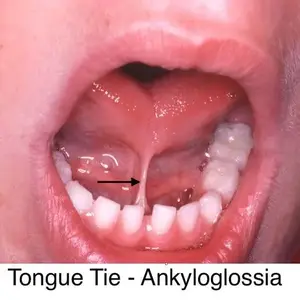
Although these physical characteristics can point to Tuberculinum, it’s important to realize that many cases will not have any of these features.
Tuberculinum is Chilly, Worse With Weather Change
Now, generally speaking, Tuberculinum tends to be chilly. Tuberculinum is bothered by cold, damp weather and is worse with changes of weather and worse before storms.
Conversely, it’s better with warm, dry weather.
Better in the open air
Tuberculinum is also better in the open air and has a desire for open air. It’s worth noting that many of the old TB sanitariums were located in the mountains, where it was believed that the fresh air of the pine forests was beneficial for the patients.
Better in the Mountains
What’s interesting about this bit of allopathic history is that it directly correlates to our homeopathic knowledge of Tuberculinum’s modalities and food preferences. Tuberculinum is known to be better in the mountains, especially where there are pine forests.
Relationship of Milk With Tuberculinum
Due to its high protein content, milk was often recommended for these patients as a dietary measure to counteract their wasting tendency. The one most common Tuberculinum craving is milk, especially cold milk.
Tuberculinum is the biggest milk drinker in our Materia Medica. These are the kids or adults who will drink a quart or more of milk per day. Given the choice, these kids will choose milk even over soda. On the other hand, many Tuberculinum kids are genuinely allergic to milk.
Many modern parents are quick to eliminate dairy from their kids’ diets, even though there may not be any actual milk allergy. So don’t be fooled by this. It may take some investigating in order to determine whether there is a true milk allergy or not.
Desires Smoked Meat
In addition to milk, the homeopathic literature frequently references Tuberculinum’s desire for smoked meats. In my experience, I believe that this is more accurately characterized as a:
- Desire for cured meats (meat preserved with salts)
Tuberculinum loves fatty, salty cured meats like bacon, ham, pepperoni, and salami. In addition, many Tuberculinum kids like hot dogs.
Desire Fatty, Salty Foods and Ice Cream
They also like other fatty and salty foods. And lastly, the main dessert preference of Tuberculinum is ice cream.
Physical Complaints of Tuberculinum
Now, in terms of physical symptoms, Tuberculinum is prone to developing a wide range of both acute and chronic respiratory conditions.
Frequent Colds and Respiratory + ENT Infections
This includes:
- Frequent colds,
- Acute coughs,
- Chronic coughs,
- Ear infections
- Bronchitis,
- Asthma,
- Pneumonia.
Oftentimes, there may be swollen glands accompanying these conditions.
Catches Cold Easily
Tuberculinum tends to catch a cold easily, especially when exposed to cold air or to a draft of air. It’s not unusual for a cold to linger and to lead to a chronic cough.
Asthma Agg By Cold & Better By Open Air
Think of Tuberculinum in cases of asthma that are triggered by catching a cold but are also ameliorated by open air.
Recurrent Fevers & Respiratory Allergies
Tuberculinum is a remedy for recurrent fevers. It’s also indicated for allergies that affect the respiratory system.
Astigmatism
And it’s also a remedy for astigmatism, which is a curvature of the cornea or lens of the eye.
Childhood Eczema
Tuberculinum is also a remedy for childhood eczema.
Developmental Delay in Children
And finally, Tuberculinum can be a remedy for developmental delay in children. In such cases, there can be delayed dentition, and the child may be thin or emaciated despite an adequate appetite. You may recall that this is also the case with Natrum muriaticum.
Genu-Pectoral Sleeping Position of Tuber Child

The Tuberculinum child tends to sleep in the genu pectoral position. In other words, it sleeps on the knees with the knees tucked against the chest and the rear end sticking up in the air.
Children Bore Head into a Pillow
One more clue is that the child may tend to bang their head or bury their head into a pillow or into the bed.
Additional Conditions
Additional clues that point to Tuberculinum include:
- Night sweats,
- Bbruxism or grinding of the teeth,
- Ringworm.
Family History of TB and Prescription of Tuberculinum
Sometimes we see a family history of tuberculosis in prior generations, but this is not a necessary condition for prescribing Tuberculinum.
Remedy Relationships of Tuberculinum
Okay, now let’s finish up with some remedy relationships.
Silicea (Tall, Thin, Infections)
Tuberculinum has similarities to and should be compared with Silica, which is tall and thin, notoriously obstinate, and prone to respiratory infections.
Phosphorous (Tall, Lean)
Phosphorus is also tall and lean, prone to respiratory problems, and can have a thirst for cold milk.
Calcarea Phos (Travel Desire)
Calcarea phosphorica is discontented and irritable, desires to travel, and has food desires similar to Tuberculinum.
Bacillinum (Tuber Nosode, Ringworm)
Bacillinum is also a tubercular nosode, and one of its main indications is ringworm.
Tarentual Hispania (Hyperactive, daredevil)
And finally, Tarentula often presents as a highly athletic, hyperactive daredevil type.
Get Expert Online Homeopathic Consultation
Submit your case today and receive personalized homeopathic treatment from the comfort of your home.

Homeopathic Dr. Imran Ali, DHMS, BHMS (Gold Medalist, University of Peshawar), RHMP, is a qualified homeopathic physician with over 10 years of clinical experience. He is registered with NCH (Reg. No. 170600) and focuses on safe, individualized, and holistic homeopathic care. Author of the Kindle book “Homeopathy For Infants & Kids – Curing 165 Most Common Issues” – available on Amazon.