Silicea – A Homeopathic Remedy Made From Silica
Welcome back to our Homeopathy Materia Medica series. Today I’ll be talking about the homeopathic remedy Silicea. Silicon, which is an element on the periodic table with atomic number 14, is rarely found in nature in its pure elemental form. It nevertheless exists as a compound called silica or silicon dioxide, which is naturally occurring and found in a variety of minerals like flint, quartz, zircon, and sandstone.
These silica-containing minerals constitute an amazing 95 percent of the Earth’s outer crust. One could say that silica and other silicon-based compounds form the backbone of the very land that we live on. Silicon-based compounds are also found in many plants and in the skeletons of some animals. They’re known to enhance the stem strength of wild grasses, bamboos, and grains like wheat and barley.
They essentially help form the backbone of plant tissues, allowing them to stand stronger and be more resilient. I urge you to keep this idea in mind as we discuss this frequently prescribed constitutional remedy.

All right, let’s get started.
The Silicea Constitutional Type
Quiet & Shy
Okay, so the silica constitutional type is known to be quiet and shy.
Reserved
He is reserved and self-contained.
Agrees With Others’ Opinions
He will appear to yield to the opinions of others (agrees with others’ views).
Sensitive, Thoughtful
He’s sensitive, mild-mannered, and has delicate sensibilities. He’s also quite thoughtful.
Mentally Quick to Understand
And his mind is quick to comprehend(understand).
Low Self-Esteem of Silicea
Although the silica type is usually emotionally solid and balanced, he commonly suffers from issues relating to self-esteem. Silica can be timid and insecure and tends to lack self-confidence, but unlike Lycopodium, for example, it is not cowardly.
A Case of Big, Tall Guy With Low Self-Confidence
I’ll never forget the first constitutional case that I ever took. A fellow medical student, a big, tall guy, confessed to me that he was struggling with his self-confidence. After taking his case, a recommendation was made for silica. Both he and I were amazed to see the positive effect that it had on his self-esteem.
Silicea Children
Shy & Obstinate
Now, silica children could present somewhat differently than silica adolescents or adults. The children are typically shy but also tend to be irritable and quite obstinate. In fact, most silica types have a notorious stubborn streak. This unusual combination of shyness and stubbornness is a good clue for the remedy.
Irritable when ill
Silica children can be particularly irritable when they are not feeling well.
Whisper Answers into their Mother’s Ear
The books describe how their shyness becomes evident when they respond to questions; they do so by whispering the answers into their mother’s ear.
Silicea Adolescents
Less Shy and More Refined
As they grow older, silica adolescents become more refined and less obviously shy. I tend to think of them as precocious because they often present as proper, well-behaved, and polite.
A precocious child has developed certain abilities or inclinations at an earlier age than is usual or expected.
Sharp Minds & Good Students
They have sharp minds and are usually very good students.
Intelligent But Lack Mental Stamina
And although they are quite intelligent, they sometimes lack mental stamina.
Quiet and Shy
And even though they’re thoughtful, serious, and adult-like in behavior, they still admit to being rather quiet and shy.
Stubborn
And just like silica children, they too are notoriously stubborn. But compared to the child who can be overtly cranky and obstinate silica adolescent adults are quietly, almost deceptively stubborn.
Fixed Ideas of Silicea
The homeopathic literature refers to the silica type as one who appears to concede to the opinions of others but has his own beliefs and convictions that he does not reveal. He knows himself, he knows where he stands on an issue, but he does not argue with those who might disagree. He simply and stubbornly goes his own way.
His internal beliefs can be so strong that it may be hard to budge him. He may resent outside interference. This is why silica is listed in some repertories under fixed ideas.
Silica As Nature’s Backbone
Now let’s return to this idea of silica as Nature’s backbone.
Timid on One Hand – Stubborn on the Other
As you can see, silica is timid on the one hand but stubborn on the other. The silica type often vacillates(indecisive) between too much backbone and too little backbone. He may appear to yield to others, but internally, he refuses to give an inch; he puts up little fight, but at the same time, secretly concedes (admits after resistance) nothing.
Strong on the Inside But Lacks Confidence to Assert Himself (Express)
He is surprisingly strong on the inside but ultimately lacks the confidence to assert himself unless the situation absolutely demands it.
He demonstrates both extremes but finds it difficult to achieve a happy, balanced medium.
Mentally Sharp But Lacks Staying Power
And as noted earlier, silica tends to be mentally sharp, but he often lacks staying power.
So this lack of backbone or lack of strength can also manifest as mental fatigue, as we shall see, silica is prone to physical fatigue too.
Anxious Uncertainty of Silicea
The seeming contradiction in terms between weakness and strength, between easy-goingness and rigidity, between inadequacy and intelligence can produce a state of anxious uncertainty.
Doubts His Own Abilities & Becomes Indecisive
Silica doubts his own abilities and becomes indecisive in his work. He often copes with his anxiety and indecision by focusing on small details. Silica lists in repertories under:
- Conscientious about trifles (very responsible even in small things)
Fastidious & Perfectionists
Silica types are fastidious and known for their perfectionistic attention to detail. This self-doubt can also translate into performance anxiety.
Fears of Silicea
Silica fears include:
- Test anxiety,
- Stage fright,
- Fear of failure.
There may also be a peculiar fear of pointed objects, which is found in repertoires under:
- Fear of pins.
An Important Note
Now, before we move on, please note that my references to silica as he has been merely for convenience. In actuality, silica is a remedy that fits men and women and girls, and boys equally.
The Physical Aspects Of Silicea
All right, now let’s talk about the physical aspects of silica. Okay, it’s important to note that in many cases, but not all, silica has a distinct physical type.
Silicea Person is Long & Thin
Most silica constitutional types are long and thin. Silica infants grow faster in length than they do in weight. They often chart in the top percentiles for height while at the same time charting in the lower percentiles for weight.
Silicea Infants Have Developmental Issues
They do not fit the stereotype of the round, plump baby. In fact, silica infants can have developmental issues in the sense that they may be pale, frail(weak or delicate), sickly, or weak.
Defective Metabolism in Infants Leads to Growth Issues
There can be failure to thrive (grow) as a consequence of defective metabolism or poor assimilation of nutrients.
Difficult Nursing in Infants
Silicea is a remedy for infants who have difficulty nursing. This usually happens because mother’s milk can aggravate their digestive systems. Silicea lists prominently under:
- Stomach disordered after mother’s milk
- Vomiting after mother’s milk.
- Aversion to mother’s milk
- Child refuses mother’s milk.
Distended Abdomen of Silicea Infants
In addition to poor digestion, the infant may have a distended abdomen or pot-bellied appearance. It’s easy to see why these children would struggle to gain weight would lack stamina, and be easily fatigued.
Slow Teething & Slow Learning To Walk
In addition, their teeth can be slow to come in. And they can be slow in learning to walk.
Silicea Have Large Heads vs. their Bodies
Now, another prominent physical feature of the silica type is that they often have large heads. Their heads tend to be disproportionately bigger than their bodies. More specifically, the forehead is often quite prominent. The forehead can be either tall or wide or both, and it tends to be large in comparison to the rest of the face.
In summary, silica infants and children to have tend to have long, thin bodies, distended abdomens, and large heads with thin, fine, sparse(scattered) hair.
Nevertheless, against all odds, these scrawny(thin and bony) infants usually grow up to be tall, skinny adolescents and adults.
How To Spot A Silicea Kid in the Clinic Seeing His Tall Height?
When I see a thin child or adolescent in my office, I sometimes ask where she fits in height-wise with her classmates. When I’m told that she’s one of the tallest girls in her class, I think of Silicea as a possible remedy choice.
Silicea Generals And Modalities
All right, now let’s talk about the silica generals and modalities.
Silicea is Chilly
Generally speaking, silica tends to be chilly. She’s aggravated by cold weather, damp weather, and drafts of air. She likes to wrap herself up in bed to stay warm.
Worse From Uncovering
And she can be worse from uncovering.
Wears a Hat Even in Summer
Some will choose to wear a hat even in warmer weather.
Still Aggravated By Hot Weather
And even though silica is chilly, she can also be aggravated by hot, humid weather.
Distinct Perspiration of Silicea
Now perspiration can be an important General of silica.
Too Much or Too Less Perspiration
There’s a distinct tendency to perspire either too much or too little.
Too Little Perspiration
Silica is the type who says:
I never sweat or even in gym class as a kid, I barely broke a sweat.
Excessive Perspiration of the feet or hands
On the other hand, she may seek help for excessive perspiration of the feet or the hands.
Sour Sweating on the Head While Sleeping
Silica also tends to sweat on the head, especially on falling asleep or during sleep.
And the sweat may have a sour smell.
Suppression of Perspiration in Silicea, Especially on Feet
Whenever we can trace the onset of a problem to suppression of perspiration, we must consider Silicea. This applies especially to the feet.
Silicea lists prominently under:
- Suppressed perspiration aggravates
- Suppressed perspiration of the feet aggravates
This is why all smart holistic practitioners should warn their patients about the very real dangers of antiperspirants.
Food Preferences And Modalities of Silicea
Desires Sweets, Eggs, Ice Cream
Okay, Silica’s food preferences include a desire for sweets, eggs, and ice cream.
Desires Ice-Cold Drinks
And there can be a preference for ice-cold drinks.
Silicea & Mother’s Milk
Recall the silica infant’s relationship to the mother’s milk.
Silicea & Milk Allergy
Not surprisingly, silica can be a remedy for milk allergy in both children and adults. Resulting symptoms tend to include cramps and diarrhea.
The bottom line is that silica can be aggravated by milk may be averse to milk, or have a desire for milk.
Aggravated by Mental Exertion
A couple of silica modalities worth noting are aggravation from mental exertion, which is due to their lack of stamina.
Aggravation From Vaccination
And aggravation from vaccination. Silicea is one of the main remedies for vaccinosis. Vaccine-induced conditions that may respond to treatment with Silicea include ear infections, diarrhea, eczema, abscesses, seizure disorders, and more.
Fatigue And Low Grit of Silicea
The general tendency of the silica type is fatigue.
The books refer to silica as quote:
lacking in grit (lacks passion).
Weakness & Lack of Stamina
They often complain of weakness or lack of stamina, and they can look tired and feel tired. Once again, we can think of silica’s low energy as just another manifestation of having too little backbone or lacking resilience.
Lose Strength Under Pressure
They have poor staying power and may wilt (lose strength) under pressure.
Silica is a Slow-Acting Remedy
One last point is that silica has a reputation for being a slow-acting remedy. When prescribing Silicea, it should not be abandoned too quickly and must be given adequate time to act. Benefits may accrue slowly over weeks and months of time.
And just like the remedy picture, many silica physical ailments tend to be slow-developing, low-grade, stubborn conditions.
Infections And Chronic Conditions Needing Silicea
Acute Illnesses/Infections That Develop & Cure Slowly
Silica can lack grit in terms of resistance to infection. She’s prone to acute illnesses that develop slowly, last longer than they should, and then resolve slowly.
Frequent Sore Throats & Respiratory Infections
She is susceptible to frequent colds, sore throats, and respiratory infections. And those illnesses tend to linger, often becoming:
- Chronic runny or stuffy noses,
- Chronic ear infections,
- Chronic coughs,
- Or chronic sinus infections.
Nails, Teeth & Bones of Silicea Person
Now, silica also tends to have issues involving nails, teeth, and bones. Note that, like the spine, these are the harder, more resilient parts of the anatomy. And taken as a whole, they form the overall skeleton of an animal or a person.
Scoliosis & Silicea
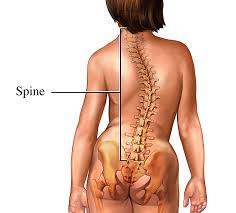
Scoliosis
Silicea is prone to arthritic conditions in general. It’s one of the main remedies for scoliosis, which is a curvature of the spine, a condition that literally weakens the backbone of the individual.
Defective Fingernails & Toenails
Silicea is also one of the main remedies for defective fingernails and toenails. The nails can be brittle (hard but liable to break easily), distorted, and ingrown.
White Spots on Nails
A keynote clue for Silicea is white spots on the nails.
Again, we see how the theme of backbone or grit manifests on the psychological level. In developmental issues in terms of mental and physical stamina issues. And in the kinds of physical symptoms that plague silica.
Predisposition of Silicea Towards Glands, Abscesses, Cysts & Tumors
Silica also has a predisposition toward problems involving glands, abscesses, cysts, and tumors.
Swollen Cervical Glands
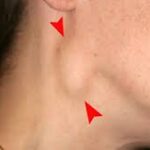
Acutely swollen cervical glands often linger and later become chronic.
Hard Abscesses With Pus Formation
Silicea tends to develop abscesses, which can become hard or indurated and may suppurate with pus formation.
Dental, Rectal, Breast Abscesses – Fistulas
Silicea is also a remedy for low-grade, smoldering (slow-healing) dental abscesses, rectal abscesses, and breast abscesses. These abscesses can slowly morph into fistulas that discharge fluid.
Nodular or Cystic Conditions
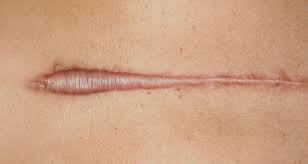
Keloids are raised, overgrown scars that form from excess collagen when skin heals from an injury
Silicea is also a remedy for nodular or cystic conditions such as keloids, styes, boils, and tumors.
Breast Cysts & Breast Infections
It’s a remedy for breast cysts and even breast infections.
Prostatitis, Enlarged Prostate, Prostate Cancer
Likewise, silica can be helpful in prostate conditions such as prostatitis, prostate enlargement, and prostate cancer.
Silicea Expels Foreign Bodies
And silica is famous for its ability to expel foreign bodies that have been lodged in the tissues, and that threatened to become infected or form abscesses. For example, it can help dislodge an embedded splinter that is hard to reach without the assistance of a knife.
Ringworms & Vitiligo
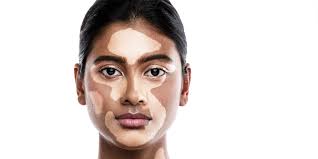
Vitiligo is a chronic autoimmune condition causing white patches on the skin, hair, or mouth due to the immune destruction of pigment-producing cells.
A couple of additional silica conditions include ringworm and vitiligo.
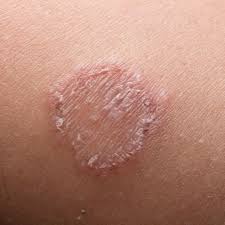
Ringworm is a contagious fungal skin infection causing itchy red ring-shaped patches, spread by contact, animals, shared items, not by worms.
Constipation With Stool Recedes After Partially Expelled
Lastly, silica is notoriously prone to causing constipation. Stool tends to recede again after being partially expelled. Books refer to this silica version of constipation as:
- bashful stool.
Remedy Relationships of Silicea
Okay, now let’s finish up with remedy relationships.
Complimentary Remedies
Compliments to silica include:
- Pulsatilla
- Fluoric acid
- Tuberculinum.
Calcarea Phos (Tall & Lean)
Remedies to compare to silica include calcarea phosphorica, which can fit cranky kids are also tall and lean and have developmental issues and are prone to dental problems.
Calcarea Carbonica
Calcarea carbonica, which desires eggs and sweets, is easily fatigued, sweats on the head, tends to be constipated, and can have developmental issues.
Hepar Sulph (Painful Abscesses)
Hepar sulphuris and mercurius also fit abscesses, but their abscesses tend to be more acute and more painful.
Natrum Mur (Reserved & Polite)
Natrum muriaticum is temperamentally similar to silica. Both are polite, thoughtful, considerate, and reserved.
Natrum Carb (Milk Intolerance)
Natrum carbonicum is also similar temperamentally and has notorious problems with milk intolerance.
Staphysagria (Prostate, Styes, Abscesses)
Staphysagria too is refined, inhibited, and yielding. Can desire or be averse to milk and is prone to styes, abscesses, and prostate problems.
Last Words
All right, that’s my take on Silicea. If you like these posts, please be sure to share them with your friends. As always, I welcome your comments and feedback.
Book Your Online Homeopathic Consultation
Book your online homeopathic consultation today for personalized guidance, constitutional treatment, and long-term healing. Get expert care from the comfort of your home.

Homeopathic Dr. Imran Ali, DHMS, BHMS (Gold Medalist, University of Peshawar), RHMP, is a qualified homeopathic physician with over 10 years of clinical experience. He is registered with NCH (Reg. No. 170600) and focuses on safe, individualized, and holistic homeopathic care. Author of the Kindle book “Homeopathy For Infants & Kids – Curing 165 Most Common Issues” – available on Amazon.